

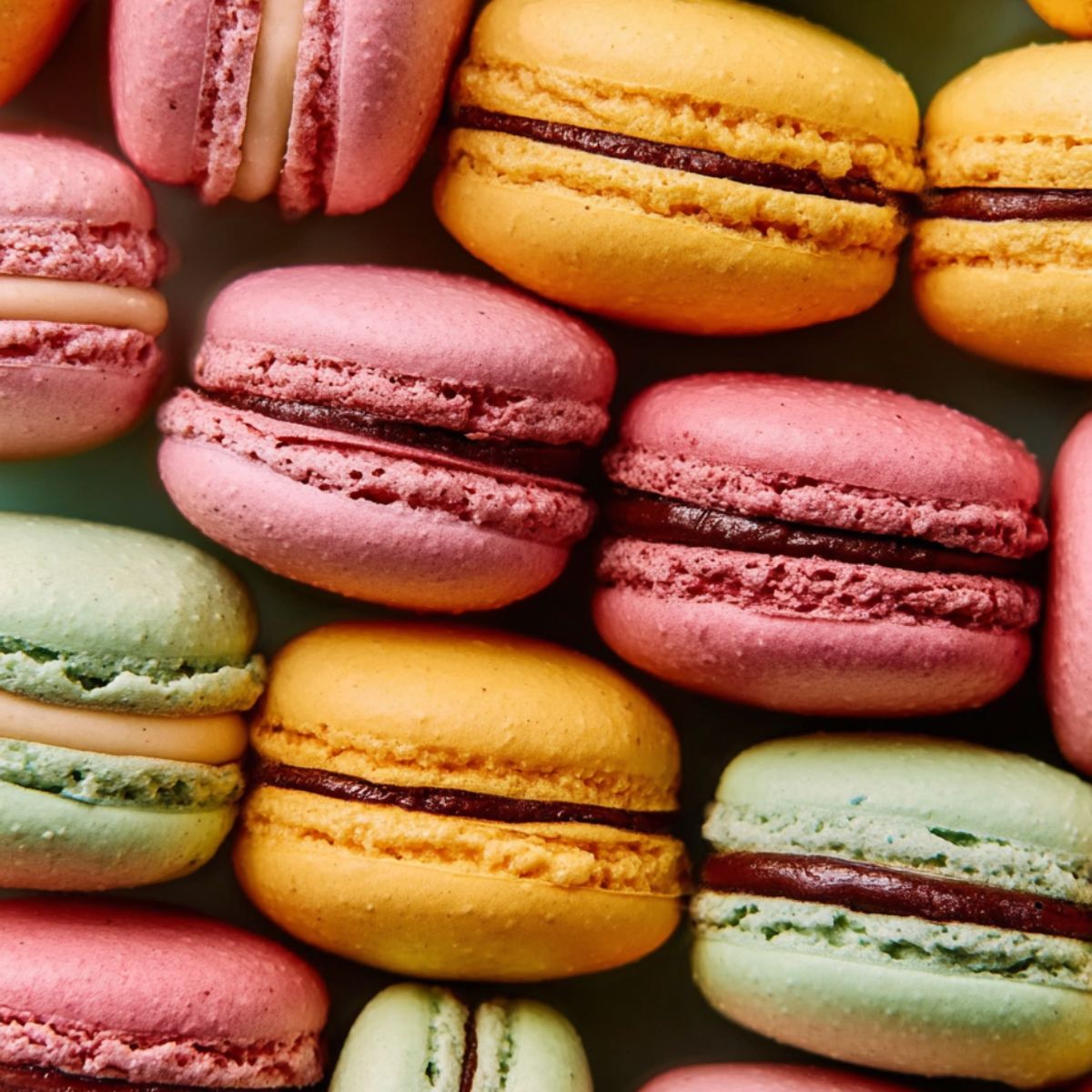
French Macarons are delicate, almond-based cookies that have a reputation for being incredibly difficult to master at home. This detailed guide breaks down the intimidation factor with a reliable method that delivers smooth tops and those signature ruffled "feet" every time. I tested this recipe repeatedly to ensure you get bakery-quality results without the tears.

Why This French Macarons Is Foolproof
Most recipes fail because they rely on vague volume measurements or skip crucial technique details. This French Macarons method uses precise gram measurements, which are non-negotiable for success. The ratio of almond flour to meringue is balanced perfectly to prevent hollow shells while maintaining that chewy interior texture. We also use a specific drying technique that guarantees the shells develop their protective skin before baking.
Jump to:
- Why This French Macarons Is Foolproof
- Key Ingredients for French Patisserie
- How to Make French Macarons
- Top Tip
- Variations and Customizations
- Storage and Make-Ahead
- Serving Suggestions for French Macarons
- My Journey With This French Macarons
- Frequently Asked Questions
- More Recipes You'll Love
- Foolproof French Macarons
- Related
- Pairing
Key Ingredients for French Patisserie
The Shell Base
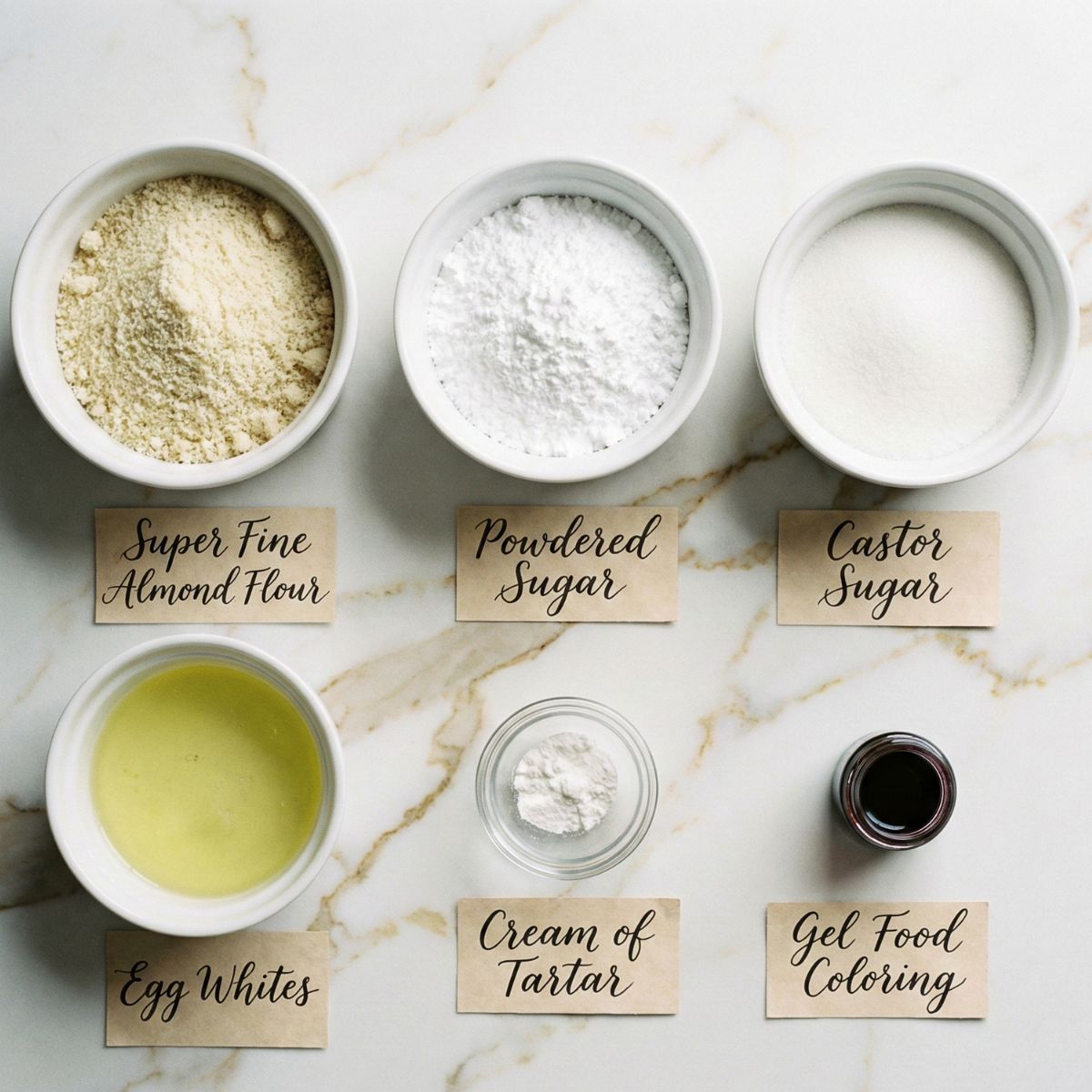
- Super Fine Almond Flour Almond flour provides the structure and nutty flavor essential for these cookies. You must use "super fine" blanched almond flour rather than almond meal to avoid lumpy shells.
- Powdered Sugar This stabilizes the batter and works with the almond flour to create the dry mix known as "tant pour tant." It generally contains a small amount of cornstarch which helps keep the interior chewy.
- Castor or Granulated Sugar Fine sugar dissolves more easily into the egg whites to create a glossy, stable meringue. If the sugar crystals are too large, they can cause the meringue to weep or crack during baking.
- Egg Whites Aged egg whites at room temperature whip up with more volume and stability than cold ones. The protein structure relaxes when warm which is vital for a strong meringue base.
- Cream of Tartar This acidic powder is your insurance policy for the meringue. It helps the egg whites hold their structure and prevents them from collapsing during the folding process.
- Gel Food Coloring Gel coloring is intense and concentrated so you only need a tiny drop. Liquid food coloring adds too much moisture to the batter and can ruin the delicate chemistry of the shell.
The Filling
- Unsalted Butter Room temperature butter whips into a pale, creamy base for the filling. Using unsalted butter allows you to control the sweetness and salt balance perfectly.
- Heavy Cream A splash of cream lightens the texture of the buttercream. It makes the filling silky rather than greasy.
- Vanilla Bean Paste High-quality vanilla adds those beautiful specks and a depth of flavor that pure extract sometimes lacks.
See the Recipe Card Below for Specific Measurements
How to Make French Macarons
Prep the Dry Ingredients
Sift the almond flour and powdered sugar together into a large bowl. Discard any large almond chunks that won't pass through the sieve or pulse them briefly in a food processor to break them down. Sifting a second time ensures an ultra-smooth finish on your shells.

Whip the Meringue
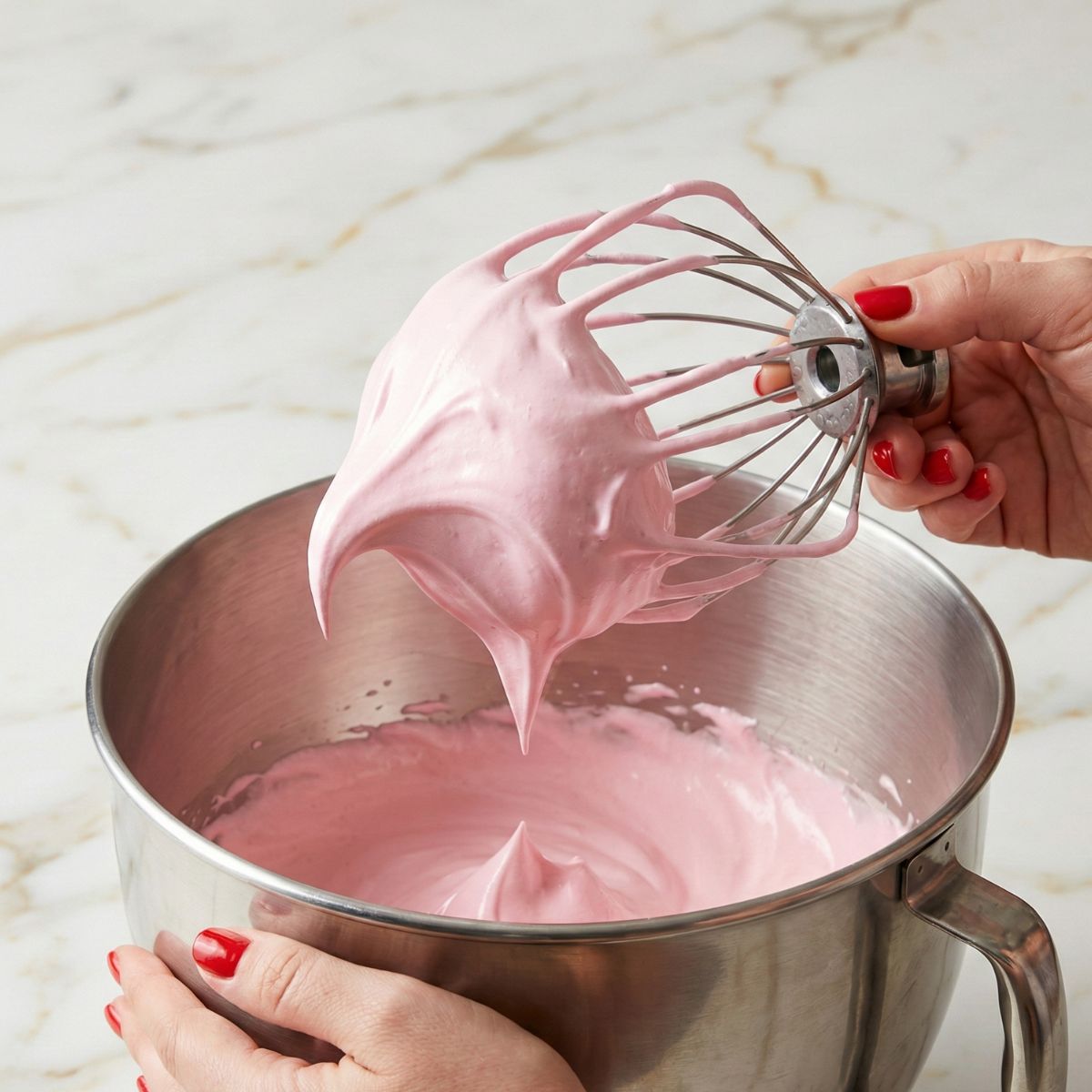
Beat the room temperature egg whites and cream of tartar on medium speed until soft bubbles form. Gradually sprinkle in the granulated sugar while mixing until the meringue becomes thick, glossy, and holds stiff peaks. Add your gel food coloring at this stage and mix just until the color is uniform.
The Macaronage Technique
Fold the dry ingredients into the meringue in three batches using a rubber spatula. Press the batter against the sides of the bowl to deflate some of the air until it reaches the consistency of flowing lava. The batter should flow off the spatula in a continuous ribbon that can form a "figure 8" without breaking.
Pipe the Shells
Transfer the batter to a piping bag fitted with a round tip. Pipe uniform circles onto a baking sheet lined with a silicone mat or parchment paper. Hold the bag perpendicular to the tray and apply steady pressure to create even rounds.
Tap and Rest
Lift the baking sheet and firmly tap it against the counter two or three times to release trapped air bubbles. Use a toothpick to pop any remaining stubborn bubbles on the surface. Let the French Macarons rest at room temperature for 30 to 60 minutes until a dry, matte skin forms that doesn't stick to your finger when touched.
Bake and Cool
Bake the shells until they have risen to form feet and don't wobble when gently touched. Cool them completely on the baking sheet before peeling them off the mat.
Fill and Mature
Match up similar-sized shells and pipe a dollop of buttercream onto the center of one shell. Sandwich it gently with a second shell. Store the assembled cookies in the fridge for at least 24 hours to let the flavors meld and the texture soften.
Serving Note: Bring the macarons to room temperature for 20 minutes before serving to enjoy the perfect soft-yet-chewy texture.
Top Tip
- Weigh Every Ingredient. Cups are simply too inaccurate for French Macarons and a few extra grams of flour can dry out the batter. Use a digital kitchen scale to measure everything in grams for consistent results.
- Wipe Your Equipment. Any trace of grease in your mixing bowl can prevent the egg whites from whipping up properly. Wipe your bowl and beaters with a paper towel dipped in lemon juice or vinegar before you start.
- Watch the Humidity. High humidity can prevent the shells from forming the necessary skin before baking. If it is a rainy day, you may need to let them rest longer or use a dehumidifier in the kitchen.
- Know Your Oven. Oven temperatures fluctuate wildly and can burn the delicate shells or cause them to brown. Use an oven thermometer to ensure you are baking at the correct temperature and adjust the rack position if necessary.
- Stop Mixing at the Figure 8. Over-mixing causes the batter to become too runny and spread into flat puddles on the tray. Stop folding the moment the batter flows like slow lava and you can draw a figure 8.
Variations and Customizations
Chocolate Ganache Filling
Swap the buttercream for a rich dark chocolate ganache. Pour hot heavy cream over semi-sweet chocolate chips and stir until smooth, then let it set until pipeable, perfect for filling French Macarons with a deeper chocolate flavor.
Fruity Macarons
Fold freeze-dried fruit powder into the shell batter or add a center of fruit curd inside a ring of buttercream. This adds a tart contrast to the sweet shell.
Fancy Macarons Aesthetic
Brush the baked shells with edible gold luster dust mixed with a drop of vodka for a metallic sheen. You can also add sprinkles immediately after piping before the skin forms for a fun Macaroons Aesthetic.
Storage and Make-Ahead
Refrigerating for Maturation
French Macarons actually taste better after "maturing" in the fridge for 24 to 48 hours. Store them in an airtight container in the refrigerator to allow the filling to hydrate the shell slightly.
Freezing for Long Term
These cookies freeze beautifully for up to 3 months. Place the assembled macarons in an airtight container and freeze them. Thaw them in the fridge overnight before serving.
Serving Suggestions for French Macarons
Tea Time Spread
Serve these delicate cookies alongside a hot cup of Earl Grey or chamomile tea. The floral notes in the tea complement the almond flavor perfectly.
Gift Boxes
Package a variety of colors in a clear box tied with a ribbon. They make impressive gifts for holidays or showers because of their elegant Macarons Design.
Dessert Table Tower
Arrange the cookies on a tiered stand or build a Macaron Tower for special events. Mix and match colors to fit the theme of your party.
My Journey With This French Macarons
I spent years being terrified of making French Macarons at home because of their temperamental reputation. My first three batches of French Macarons were complete disasters—cracked tops, hollow shells, and no feet to be found. I realized I was over-complicating the process and relying on volume measurements that varied every time I scooped the flour.
Once I switched to weighing my ingredients and really focused on the macaronage consistency, everything changed. I remember pulling that first perfect tray of French Macarons out of the oven and seeing those little ruffled feet; I literally did a happy dance in my kitchen. Now, I make them for every birthday and special occasion, and I promise that with this method, you can master French patisserie in your own kitchen too.
Similar Dessert Recipes You'll Love
Frequently Asked Questions
Why did my French Macarons crack on top?
Cracking usually happens because the shells didn't rest long enough to form a skin, or the oven temperature was too high. Make sure the surface is dry to the touch before baking.
Can I make these without almond flour?
Traditional French Macarons require almond flour for their structure and taste. You can substitute hazelnut flour or pistachio flour, but standard wheat flour will result in a completely different type of cookie.
Why are my macarons hollow inside?
Hollow shells are often caused by over-whipping the meringue or baking at a temperature that is too low. Ensure your meringue is stiff but not dry, and check your oven temperature.
Is it spelled Macaron or Macaroon?
It is spelled "Macaron." A French Macaroons Recipe Easy search might lead you here, but a Macaroon is a dense coconut cookie, while a Macaron is this delicate almond sandwich cookie.
How do I get vibrant colors?
Always use gel food coloring rather than liquid. Add the color during the meringue stage to ensure it incorporates evenly without over-mixing the final batter.
More Recipes You'll Love
If you enjoyed baking these French Macarons, you definitely need to try my Easy Creamy Italian Sausage Rigatoni Recipe for a savory dinner before dessert. For more sweet baking projects, the Cinnamon Roll Cake Recipe is a crowd favorite that is much easier than rolling dough. And if you want another bite-sized treat, my Air Fryer Churro Bites Recipe is quick, sugary, and totally addictive.
Foolproof French Macarons
Ingredients
Equipment
Method
- Sift almond flour and 130g powdered sugar together twice into a large bowl.

- Whip egg whites and cream of tartar until foamy, then gradually add granulated sugar.

- Beat until stiff glossy peaks form, adding vanilla and gel color at the very end.
- Fold dry ingredients into meringue until batter flows like lava (figure 8 stage).
- Pipe rounds onto silicone mats and tap the tray firmly to release air bubbles.
- Rest at room temperature for 30-60 minutes until a dry skin forms on top.
- Bake at 300°F (150°C) for 15-18 minutes until feet form and shells are set.
- Beat butter, 200g powdered sugar, and cream until fluffy to make the filling.
- Pipe filling between two cooled shells and refrigerate for 24 hours before serving.
Nutrition
Notes
Tried this recipe?
Let us know how it was!Related
Looking for other recipes like this? Try these:
Pairing
These are my favorite dishes to serve with French Macarons:


Leave a Reply