

These vanilla French beignets are what I make when I want to feel fancy on a regular Saturday morning. Light, pillowy fried dough dusted with powdered sugar and a hint of vanilla. They taste like New Orleans came to your kitchen without the plane ticket.


Why You'll Love These Vanilla French Beignets
These vanilla French beignets have become my weekend tradition because they're easier than people think and make the whole house smell incredible. The vanilla makes them taste more special than plain beignets. My kids fight over the last one every single time.
What Actually Works: These vanilla French beignets use a simple yeast dough with real vanilla extract, let it rise once, roll it out, cut into squares, and fry until puffy and golden. Dust with powdered sugar while still warm. The whole process takes about two hours but most of that is hands-off rising time. You get these incredibly light, airy pastries that are crispy on the outside and soft inside. Way better than any bakery version and my neighbor who lived in New Orleans said they're legit.
Why Other Methods Fail: Most French beignets recipes either use too much flour making them dense and heavy, or they don't let the dough rise enough so they're tough. Some skip the vanilla entirely which makes them taste plain. Others fry at the wrong temperature so they're either greasy or burnt. This vanilla French beignets recipe gets the dough ratio right, includes proper rising time, and uses vanilla extract for that subtle sweetness that makes them actually special.
The thing that changed everything: Understanding that oil temperature is everything for vanilla French beignets. First batch I made, the oil wasn't hot enough because I was impatient. The beignets absorbed all this grease and came out heavy and soggy instead of light and crispy. Started using a thermometer and keeping the oil at exactly 360°F. Suddenly the vanilla French beignets puffed up properly, stayed light, and had this perfect golden crust with fluffy inside. That temperature control is what separates sad, greasy dough from actual café quality beignets.
Jump to:
- Why You'll Love These Vanilla French Beignets
- What You'll Need for Vanilla French Beignets
- How to Make Vanilla French Beignets
- Top Tip
- Ways to Mix It Up
- Storing Leftovers
- What to Serve With Them
- My Vanilla French Beignets Story
- Questions People Always Ask
- More Recipes You'll Love
- Vanilla French Beignets
- Related
- Pairing
What You'll Need for Vanilla French Beignets
Basic pantry ingredients that turn into something magical when fried.
Main Stuff
- Warm milk
- Active dry yeast
- Granulated sugar
- Eggs
- Vanilla extract
- All purpose flour
- Salt
- Butter
- Vegetable oil for frying
- Powdered sugar for dusting
If You Want Extra
- Extra vanilla extract
- Cinnamon sugar instead of powdered sugar
- Chocolate sauce for dipping
- Fresh berries on the side
- Whipped cream
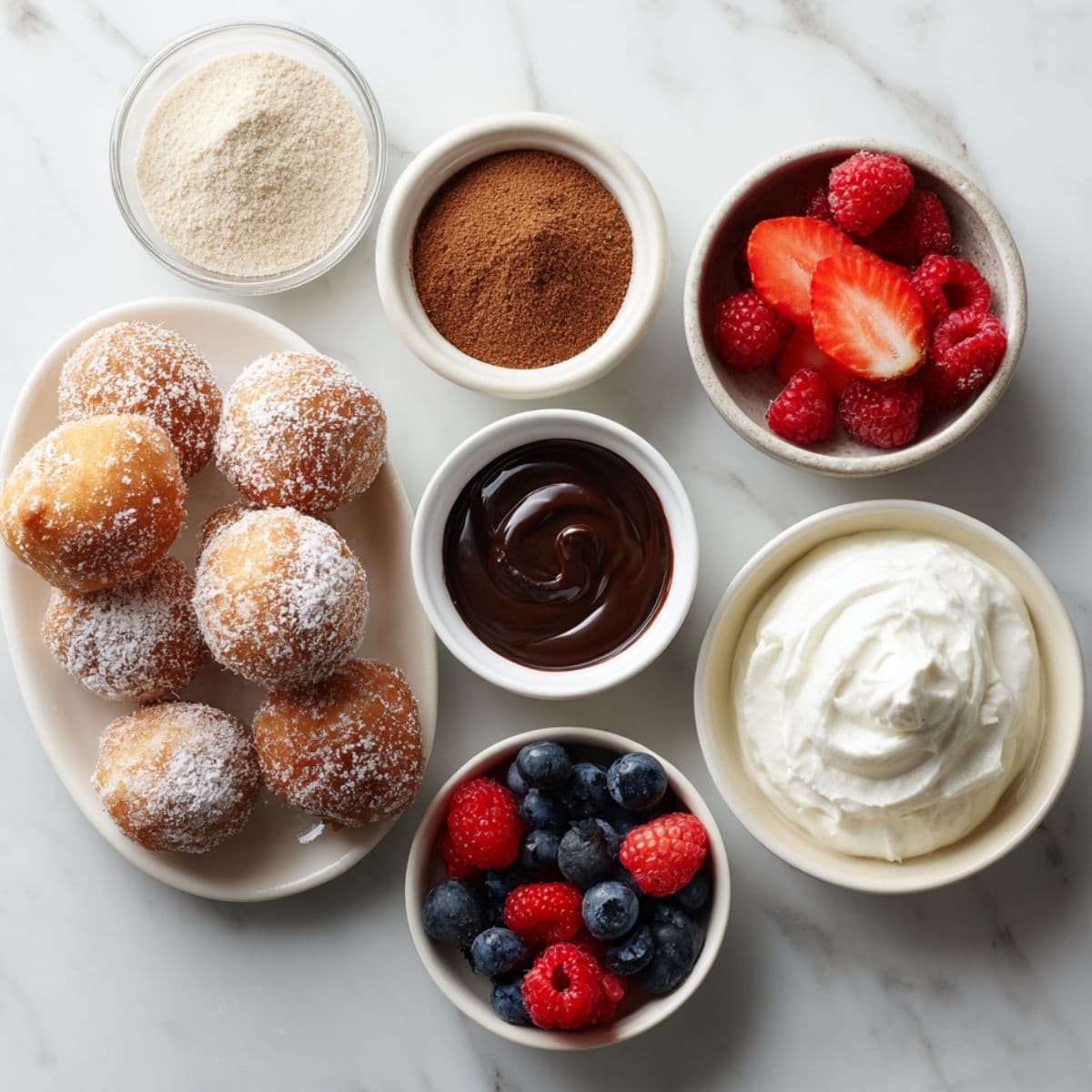
Check the Recipe card for actual amounts.
How to Make Vanilla French Beignets
Not complicated but you need to plan ahead for rising time.
1. Make the Dough
Warm your milk to about 110°F and stir in yeast with a pinch of sugar. Let it sit five minutes until foamy which means the yeast is alive. Mix in remaining sugar, eggs, vanilla extract, melted butter, and salt. Add flour gradually and knead until you get a soft, slightly sticky dough. The vanilla extract is what makes these vanilla French beignets taste better than regular ones.
2. Let It Rise
Put the dough in a greased bowl, cover with a damp towel, and let it rise in a warm spot for about an hour until doubled in size. Don't rush this part or your vanilla French beignets will be dense instead of fluffy. I usually set mine near the oven or in a sunny window.
3. Roll and Cut
Punch down the risen dough and roll it out on a floured surface to about half an inch thick. Cut into squares about three inches each using a pizza cutter or sharp knife. You should get around twenty squares for your vanilla French beignets. Let the cut squares rest for fifteen minutes so they puff up when fried.
4. Fry Them Up
Heat oil in a deep pot or Dutch oven to exactly 360°F using a thermometer. Fry three to four vanilla French beignets at a time so you don't crowd them. They'll puff up and turn golden in about two minutes per side. Flip them once when the bottom is golden brown. Remove with a slotted spoon and drain on paper towels.
5. Dust and Serve
While the vanilla French beignets are still warm, dump a generous amount of powdered sugar on top. Don't be shy with the sugar because that's half the experience. Serve immediately while they're hot and crispy. They're best eaten within the first hour.
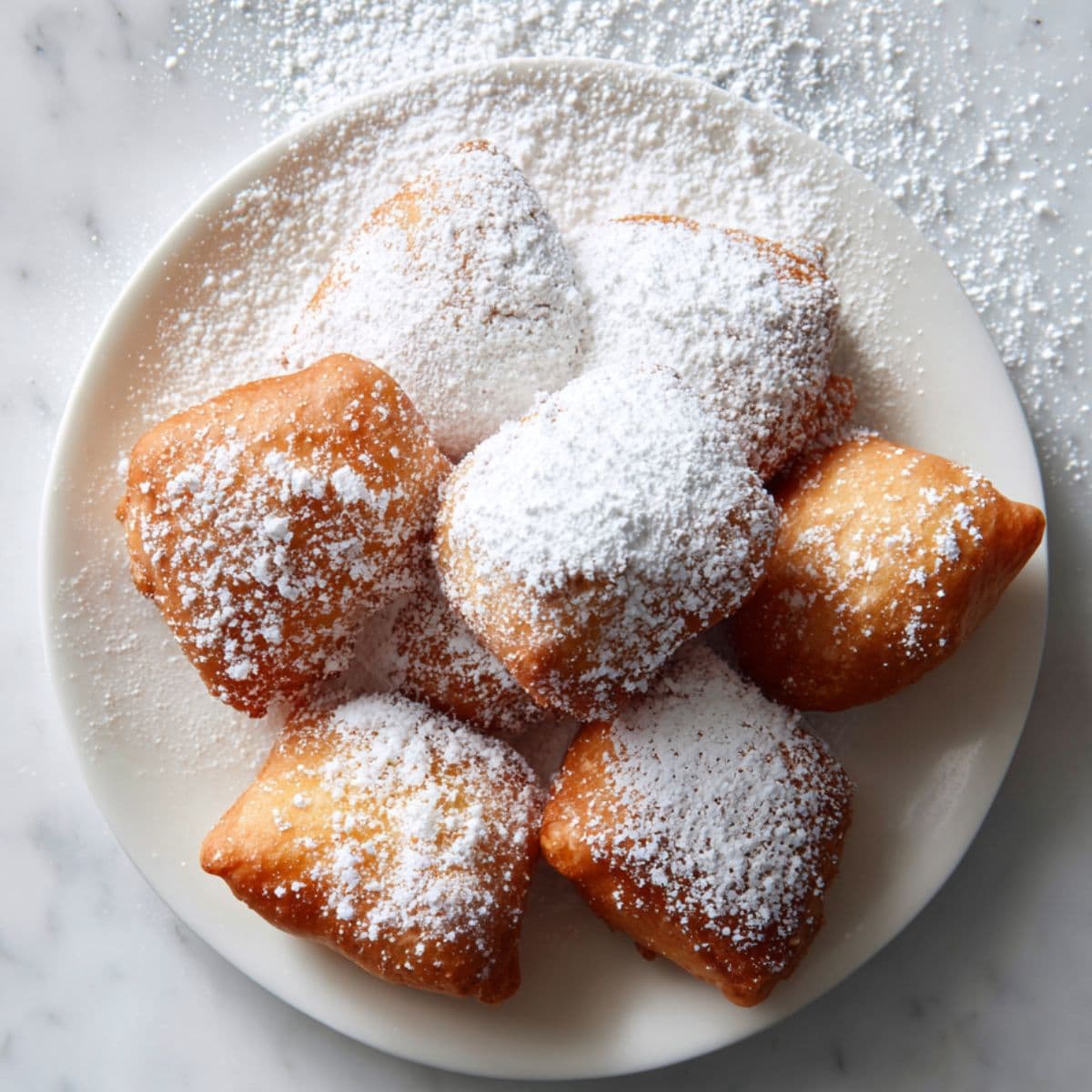
You'll have these amazing vanilla French beignets that are crispy outside, fluffy inside, and taste exactly like what you'd get at a fancy café but you made them yourself in your own kitchen.
Top Tip
Use a thermometer to keep your oil at 360°F for vanilla French beignets. I didn't do this my first three attempts because I thought I could just eyeball it. Oil too cool and the beignets absorb grease and come out heavy. Oil too hot and they burn on the outside while staying raw inside. Started checking the temp constantly and adjusting the heat to maintain 360°F. Suddenly my vanilla French beignets puffed up light and airy with that perfect golden crust. That consistent temperature is the difference between greasy dough and actual French pastry quality.
Also, don't skip the resting time after cutting. Those fifteen minutes let the dough relax so your vanilla French beignets puff up properly when they hit the oil instead of staying flat.
Ways to Mix It Up
Different Flavors
Add almond extract with the vanilla for a more complex taste. Orange zest in the dough makes your vanilla French beignets taste brighter. Cinnamon in the dough adds warmth.
Filling Options
Inject chocolate, custard, or fruit jam into cooled vanilla French beignets using a piping bag. Makes them feel even more special and indulgent.
Sugar Variations
Try cinnamon sugar instead of powdered sugar for a different vibe. Vanilla sugar made by storing vanilla beans in your sugar jar tastes incredible on vanilla French beignets.
Chocolate Drizzle
Melt some chocolate and drizzle over the powdered sugar for extra decadence. White chocolate works great too.
Savory Version
Skip the sugar in the dough and fill with cheese or herbs for savory vanilla French beignets. Sounds weird but it's actually good for brunch.
Make Ahead Dough
Let the dough rise in the fridge overnight instead of at room temperature. Slow rise develops more flavor in your vanilla French beignets and you can fry them fresh in the morning.
Storing Leftovers
At Room Temp: Vanilla French beignets are honestly best eaten fresh but they'll keep in an airtight container at room temperature for one day. They lose their crispiness pretty fast though. Reheat in a 350°F oven for five minutes to revive them slightly.
Freezer: Freeze unfilled vanilla French beignets for up to two months. Let them cool completely, freeze on a sheet, then bag them up. Reheat from frozen in a 350°F oven for ten minutes. They won't be quite as good as fresh but still decent.
Dough Prep: You can make the dough, let it rise once, then refrigerate overnight. Next morning, roll, cut, let rest, and fry your vanilla French beignets fresh. This is great for weekend brunch without early morning stress.
Best Experience: Hot vanilla French beignets straight from the oil with fresh powdered sugar are unbeatable. Plan to eat them within an hour of frying for peak texture and flavor.
What to Serve With Them
These vanilla French beignets are a complete breakfast or dessert on their own but you can make it a whole spread.
Coffee is basically mandatory with vanilla French beignets. Hot chocolate works great too. Fresh fruit salad balances out the sweetness. Whipped cream on the side for dipping.
For a full brunch, serve your vanilla French beignets with scrambled eggs, bacon, and fresh juice. Makes it feel like you're at a fancy café.
Some people do chocolate sauce or caramel for dipping their vanilla French beignets. Strawberries and cream is another classic pairing.
My Vanilla French Beignets Story
First time making vanilla French beignets, I didn't have a thermometer so I just guessed when the oil was hot enough. Dropped the first batch in and they immediately sank to the bottom and absorbed oil like sponges. Came out greasy, heavy, and honestly kind of gross. My husband took one bite and politely suggested we just go out for breakfast instead.
Second attempt, I bought a cheap thermometer and kept the oil at 360°F. Suddenly the vanilla French beignets puffed up light and airy like they're supposed to. Golden brown outside, fluffy inside, actually tasted like real French pastries. My kids who'd witnessed the first disaster were suspicious but ended up eating six each.
Then I made the mistake of cutting them too small thinking bite-sized would be cute. They cooked too fast and dried out before the inside was done. Started making them proper three-inch squares and the texture was perfect.
Now my vanilla French beignets turn out consistently good because I know the tricks: right oil temp, proper rising time, don't cut them too small, and eat them fresh. My neighbor who's from Louisiana said these are better than some she's had in New Orleans which is probably the highest compliment possible.
Questions People Always Ask
What are vanilla French beignets?
Vanilla French beignets are light, puffy fried pastries made with yeast dough that includes vanilla extract for extra flavor. They're cut into squares, deep fried until golden and crispy outside but soft inside, then dusted heavily with powdered sugar. Traditional beignets are plain but adding vanilla makes them taste more special and slightly sweet. They originated in France but became famous in New Orleans where they're a breakfast staple at cafés like Café du Monde.
Are beignets the same as donuts?
Not exactly. Vanilla French beignets use yeast dough like donuts but they're lighter and airier because the dough is wetter and puffier. Beignets are always cut into squares while donuts are round. Beignets get dusted with powdered sugar instead of glazed or frosted. The texture is different too, beignets are more pillowy and delicate while donuts are denser. Both are fried dough but vanilla French beignets are their own thing.
Do vanilla beignets use yeast or baking powder?
Traditional vanilla French beignets use yeast which creates that light, airy texture through fermentation and rising. The yeast makes them puff up when fried and gives them a slightly chewy texture. Some quick versions use baking powder instead which is faster but the texture is more like fried cake and less authentic. Yeast takes longer but makes better vanilla French beignets that taste like real French pastries instead of just fried dough.
Can vanilla beignets be baked instead of fried?
You can bake them but they won't be real vanilla French beignets anymore. Baking gives you more of a dinner roll texture without that crispy exterior and light interior that frying creates. The whole point of beignets is that fried texture with the contrast between crunchy outside and soft inside. If you want to skip frying, you're better off making a different pastry altogether because baked vanilla French beignets just don't have the same magic.
More Recipes You'll Love
After you've mastered these vanilla French beignets, try my Bang Bang Chicken Bowl Recipe for an easy weeknight dinner that tastes restaurant quality. My Honey BBQ Chicken Rice is another simple bowl meal with sweet and tangy flavors everyone loves. And my Chicken Fajita Casserole Recipe is perfect when you need to feed a crowd without spending hours in the kitchen.
Vanilla French Beignets
Ingredients
Equipment
Method
- Warm milk to 110°F and stir in yeast with a pinch of sugar, letting it sit for 5 minutes until foamy to activate the yeast.

- Add remaining sugar, beaten eggs, vanilla extract, melted butter, and salt to the yeast mixture and stir until combined.
- Gradually add flour one cup at a time, stirring after each addition until you form a soft, slightly sticky dough that pulls away from the bowl.
- Place dough in a greased bowl, cover with a damp towel, and let rise in a warm spot for 1 hour until doubled in size.
- Punch down the risen dough and roll it out on a floured surface to half an inch thickness for proper puffing when fried.
- Cut dough into 3 inch squares using a pizza cutter or sharp knife, making about 20 squares total.
- Let cut squares rest on the counter for 15 minutes so they relax and puff properly during frying.
- Heat oil in a deep pot to exactly 360°F using a thermometer for consistent temperature and proper texture.
- Fry 3 to 4 beignets at a time for about 2 minutes per side until golden brown and puffed up, flipping once.
- Remove fried beignets with a slotted spoon and drain on paper towels to absorb excess oil.
- Dust warm beignets generously with powdered sugar and serve immediately while hot and crispy for best texture.
Nutrition
Notes
Tried this recipe?
Let us know how it was!Related
Looking for other recipes like this? Try these:
Pairing
These are my favorite dishes to serve with Vanilla French Beignets Recipe:




Leave a Reply